(Glutathione) is a naturally occurring tripeptide (composed of glutamate, cysteine, and glycine) studied for its role in cellular redox regulation, oxidative stress modulation, and intracellular detoxification pathways. For research use only.
$40.00 – $50.00Price range: $40.00 through $50.00
Lorem ipsum dolor sit amet, consectetur adipiscing elit. Ut elit tellus, luctus nec ullamcorper mattis, pulvinar dapibus leo.
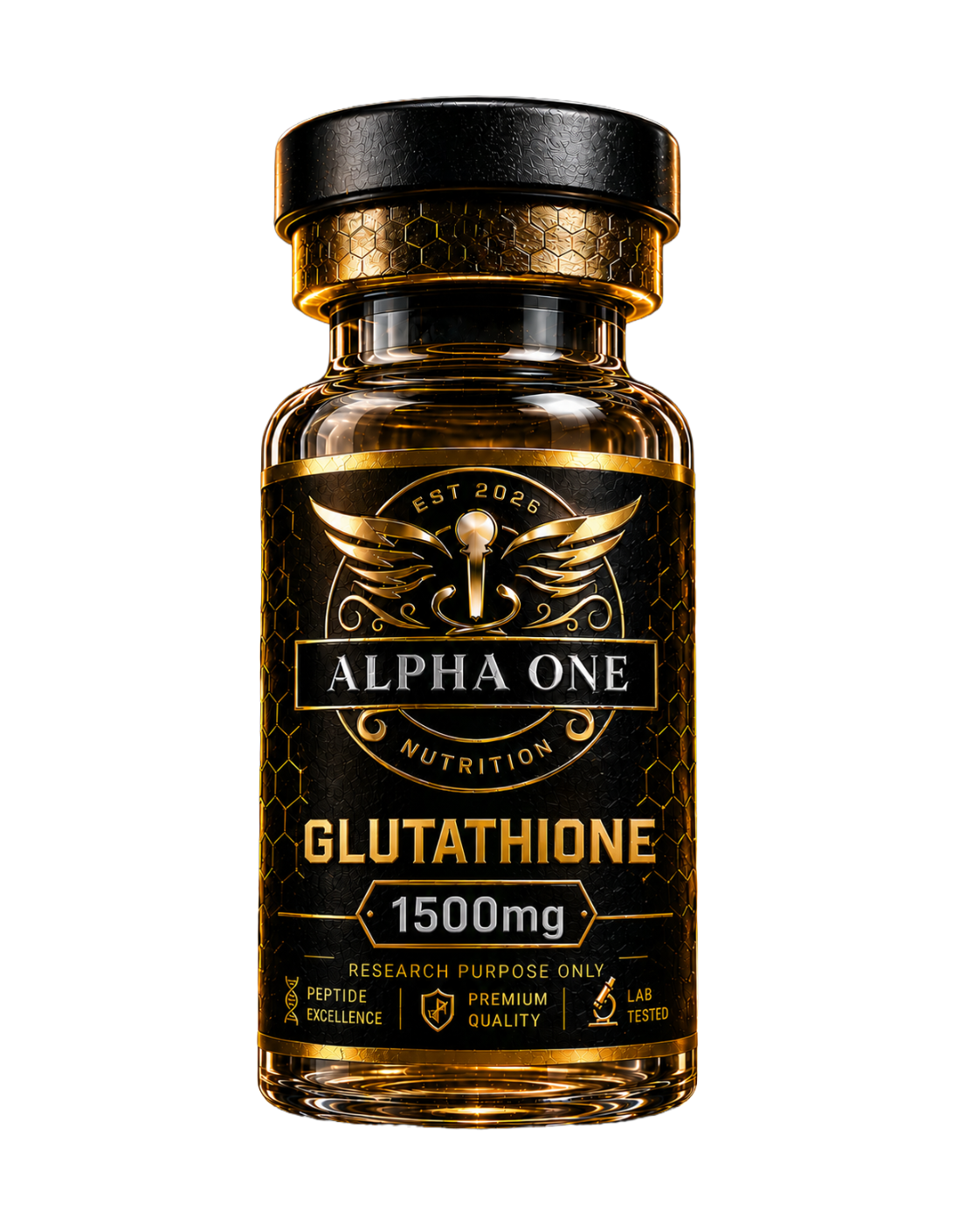
Overview: Glutathione is a research-grade preparation of reduced L-glutathione (GSH), a naturally occurring tripeptide composed of glutamate, cysteine, and glycine. As one of the most extensively studied intracellular compounds in biochemical research, GSH occupies a central position in redox regulation, xenobiotic detoxification, and cellular signalling. This preparation is supplied as a lyophilized compound for use in controlled laboratory and preclinical research settings.
Glutathione is compartmentalized across multiple subcellular structures — including the cytosol, mitochondria, nucleus, and endoplasmic reticulum — where it participates in distinct redox and detoxification processes. Research into exogenous GSH delivery has examined the influence of administration route on systemic bioavailability, given the compound’s susceptibility to enzymatic degradation by gamma-glutamyl transpeptidase. Lyophilization preserves molecular stability, and the compound is typically reconstituted in sterile aqueous media for experimental protocols.
Glutathione is a well-characterised research compound with broad applicability across oxidative stress biology, detoxification pathway studies, and metabolic research. Its central role in intracellular redox homeostasis makes it a valuable reference compound for preclinical investigations into cellular defence mechanisms and biochemical regulatory networks.
Research Use Only: Glutathione is supplied strictly for laboratory and research purposes. It is not approved for human consumption, medical, or veterinary use.
All content and information provided are for educational and research reference purposes only. This product and its associated data have not been evaluated by the U.S. Food and Drug Administration, and no claims are made regarding the diagnosis, treatment, cure, or prevention of any disease. No representations or warranties are made regarding safety, effectiveness, or outcomes.
This product is intended strictly for in vitro laboratory research use only and is not for clinical use. It is not approved for human or animal administration and must not be used in food, dietary supplements, pharmaceuticals, cosmetics, or any consumer applications.
By purchasing from Alpha One Nutrition, the buyer affirms that they are a qualified researcher or institution with the appropriate training and facilities to handle research compounds in compliance with all applicable laws and regulations. All sales are final.
| Weight | 1 lbs |
|---|---|
| Milligram | 1500mg, 1200mg |
Sign In Before Your Purchase
Sign in to access your account.
Please Create An Account To Check Out
Create your account to access everything you need.
You must be at least 21 years of age All products on this website are to be used strictly only for research purposes. The products on this website must not be used for either human or animal consumption or diagnosing, treating, curing, or preventing any disease.
*You must be at least 21 years of age All products on this website are to be used strictly only for research purposes. The products on this website must not be used for either human or animal consumption or diagnosing, treating, curing, or preventing any disease.
Reviews
There are no reviews yet.