Long-acting GHRH analogue modified with No DAC (albumin-binding) to support sustained GH and IGF-1 pathway research over days rather than hours.
$60.00
Lorem ipsum dolor sit amet, consectetur adipiscing elit. Ut elit tellus, luctus nec ullamcorper mattis, pulvinar dapibus leo.
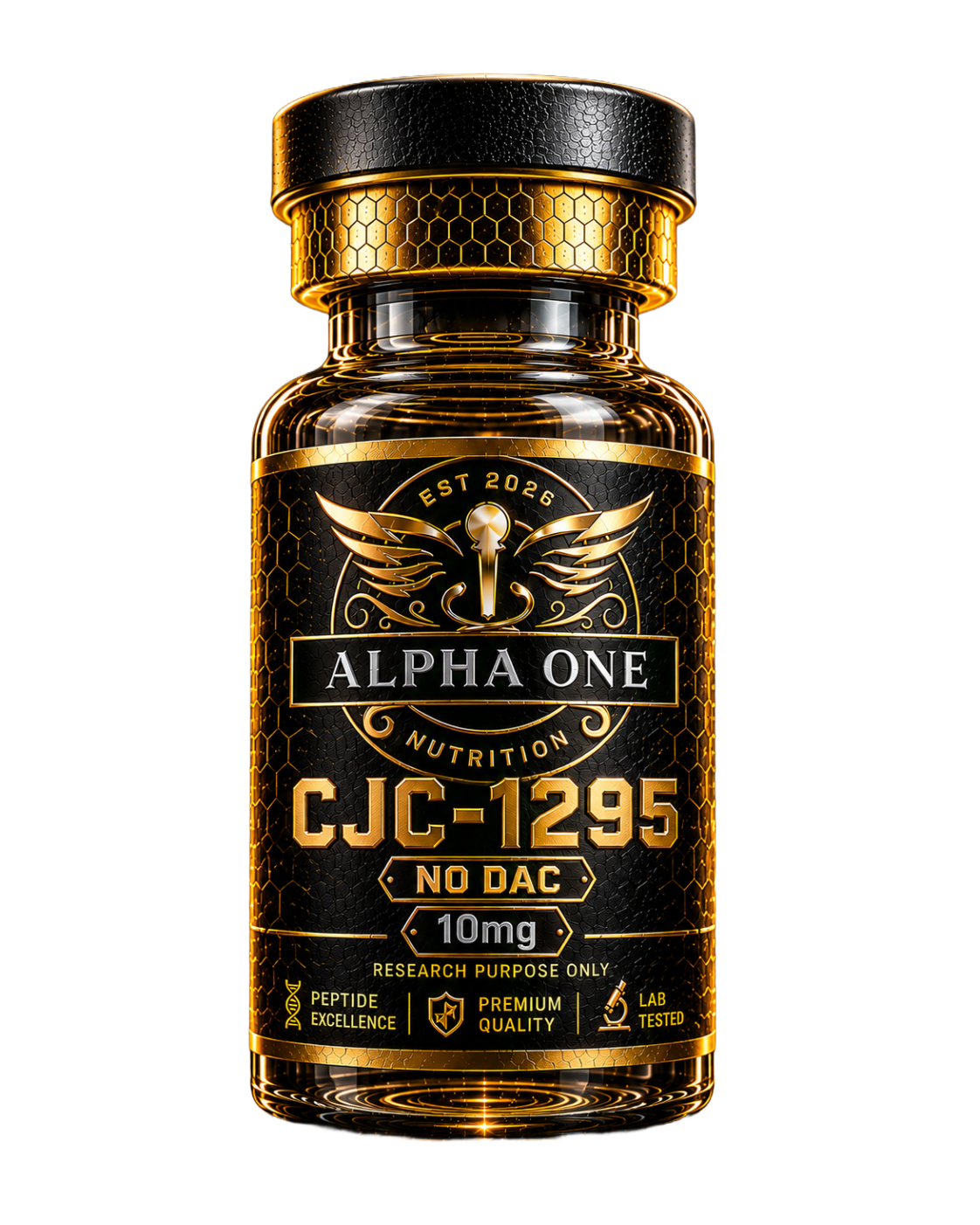
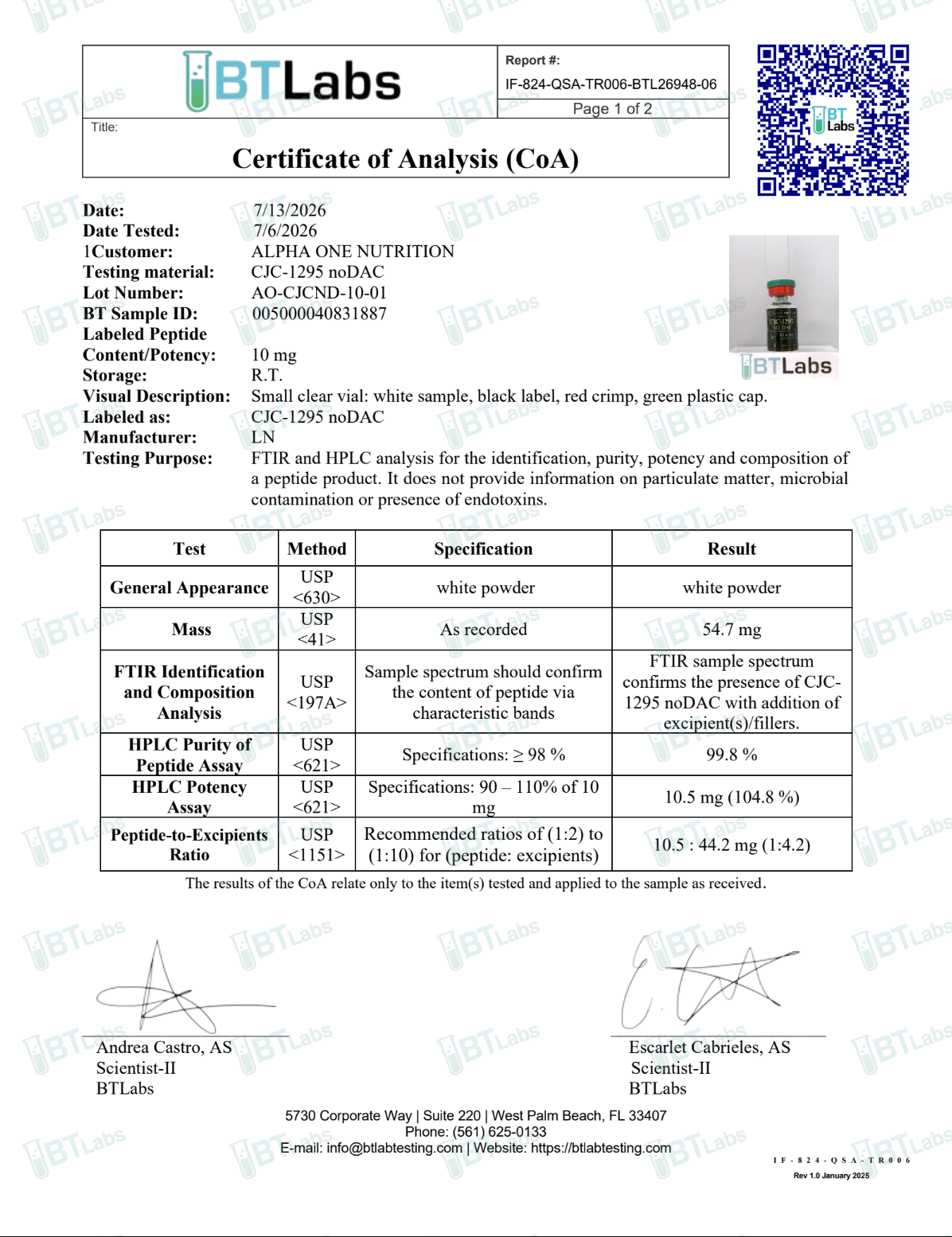
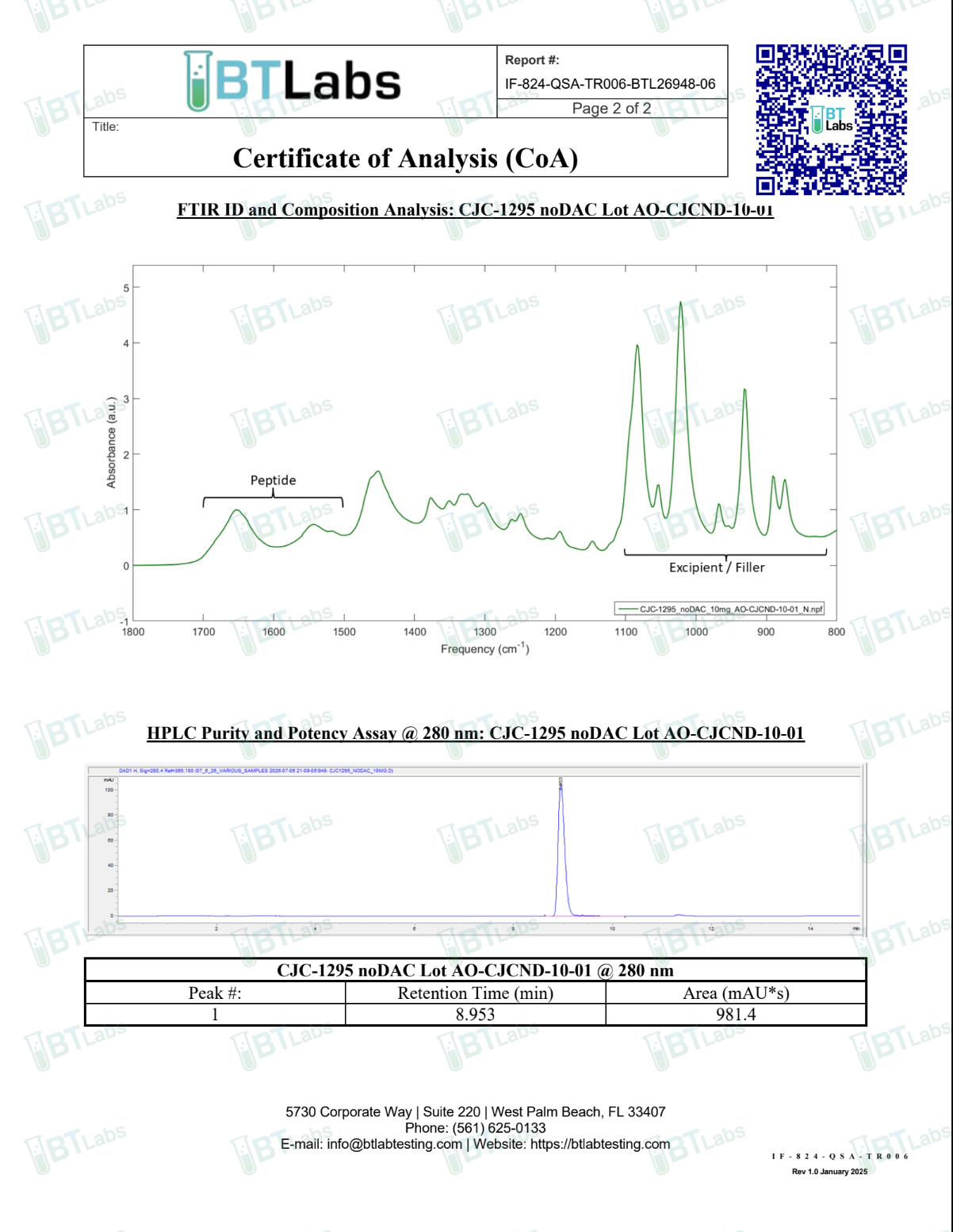
Ipamorelin + CJC-1295 (no DAC) is a combination of two peptides that work through different pathways to stimulate your body’s natural growth hormone production. Ipamorelin triggers GH release from stored reserves. CJC-1295 promotes both GH production and release. Together, they produce 2-3x more GH than either peptide alone.
This combination is popular because ipamorelin is the “cleanest” GH peptide available. It doesn’t raise cortisol, doesn’t spike prolactin, and doesn’t cause the extreme hunger that other GH peptides like GHRP-6 are known for.
Early Phase I/II trials reported sustained, dose-dependent increases in GH and IGF-1 after subcutaneous CJC-1295 (DAC), with short-term tolerability observed in healthy adults. Magnitude and duration vary by dose, schedule, and model design.
Frequently co-investigated with ghrelin-receptor agonists (e.g., Ipamorelin, GHRP-2/6) to examine complementary pathways (GHRH + ghrelin). Such combinations can augment GH dynamics but may increase the potential for adverse effects, warranting careful study design and monitoring.
For laboratory research use only. Not for human consumption, medical, or veterinary use. Not a drug, vitamin, or dietary supplement. Information provided for educational and research purposes.
All content and information provided are for educational and research reference purposes only. This product and its associated data have not been evaluated by the U.S. Food and Drug Administration, and no claims are made regarding the diagnosis, treatment, cure, or prevention of any disease. No representations or warranties are made regarding safety, effectiveness, or outcomes.
This product is intended strictly for in vitro laboratory research use only and is not for clinical use. It is not approved for human or animal administration and must not be used in food, dietary supplements, pharmaceuticals, cosmetics, or any consumer applications.
By purchasing from Alpha One Nutrition, the buyer affirms that they are a qualified researcher or institution with the appropriate training and facilities to handle research compounds in compliance with all applicable laws and regulations. All sales are final.
| Weight | 1 lbs |
|---|
Sign In Before Your Purchase
Sign in to access your account.
Please Create An Account To Check Out
Create your account to access everything you need.
You must be at least 21 years of age All products on this website are to be used strictly only for research purposes. The products on this website must not be used for either human or animal consumption or diagnosing, treating, curing, or preventing any disease.
*You must be at least 21 years of age All products on this website are to be used strictly only for research purposes. The products on this website must not be used for either human or animal consumption or diagnosing, treating, curing, or preventing any disease.
Reviews
There are no reviews yet.